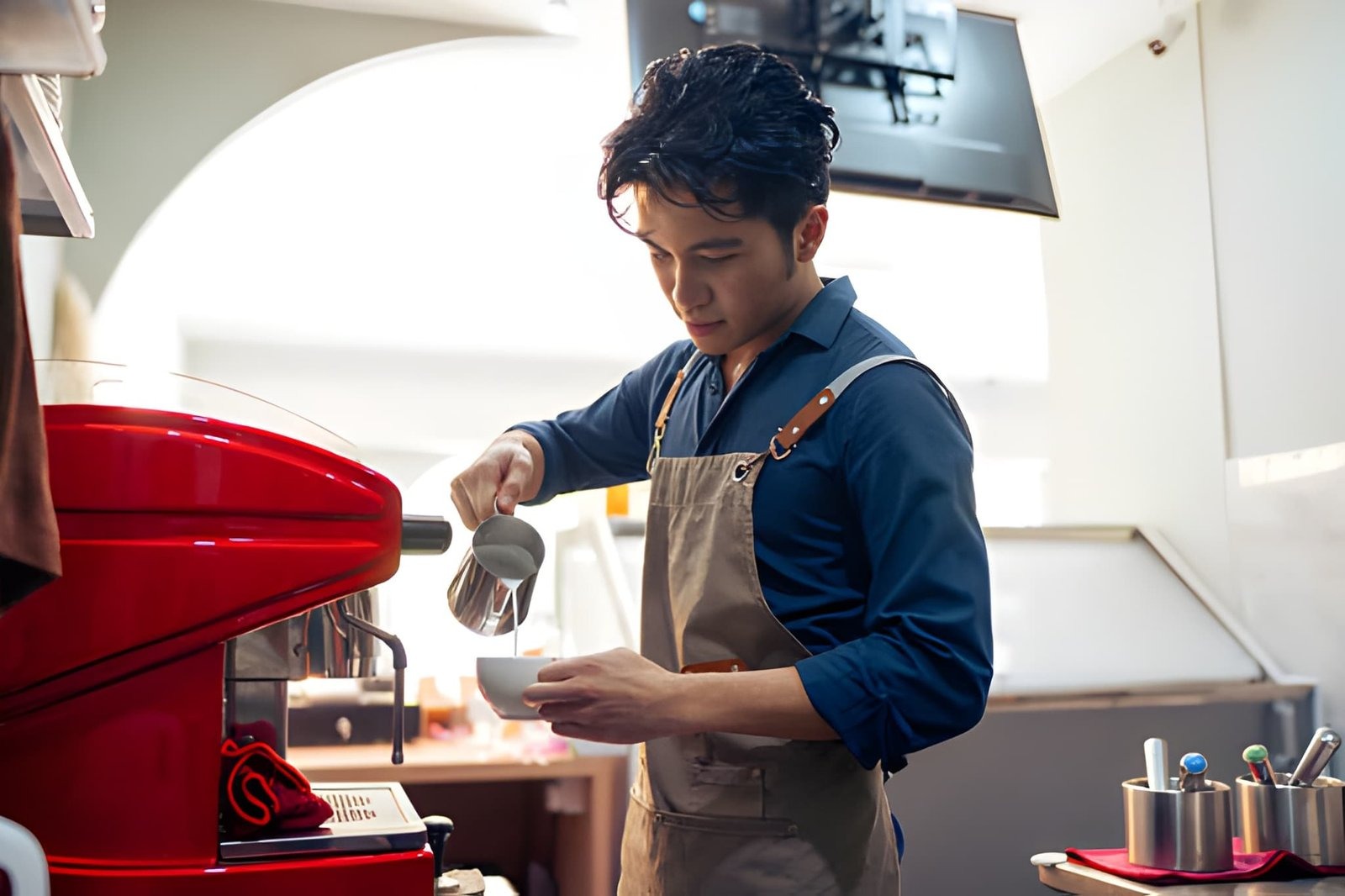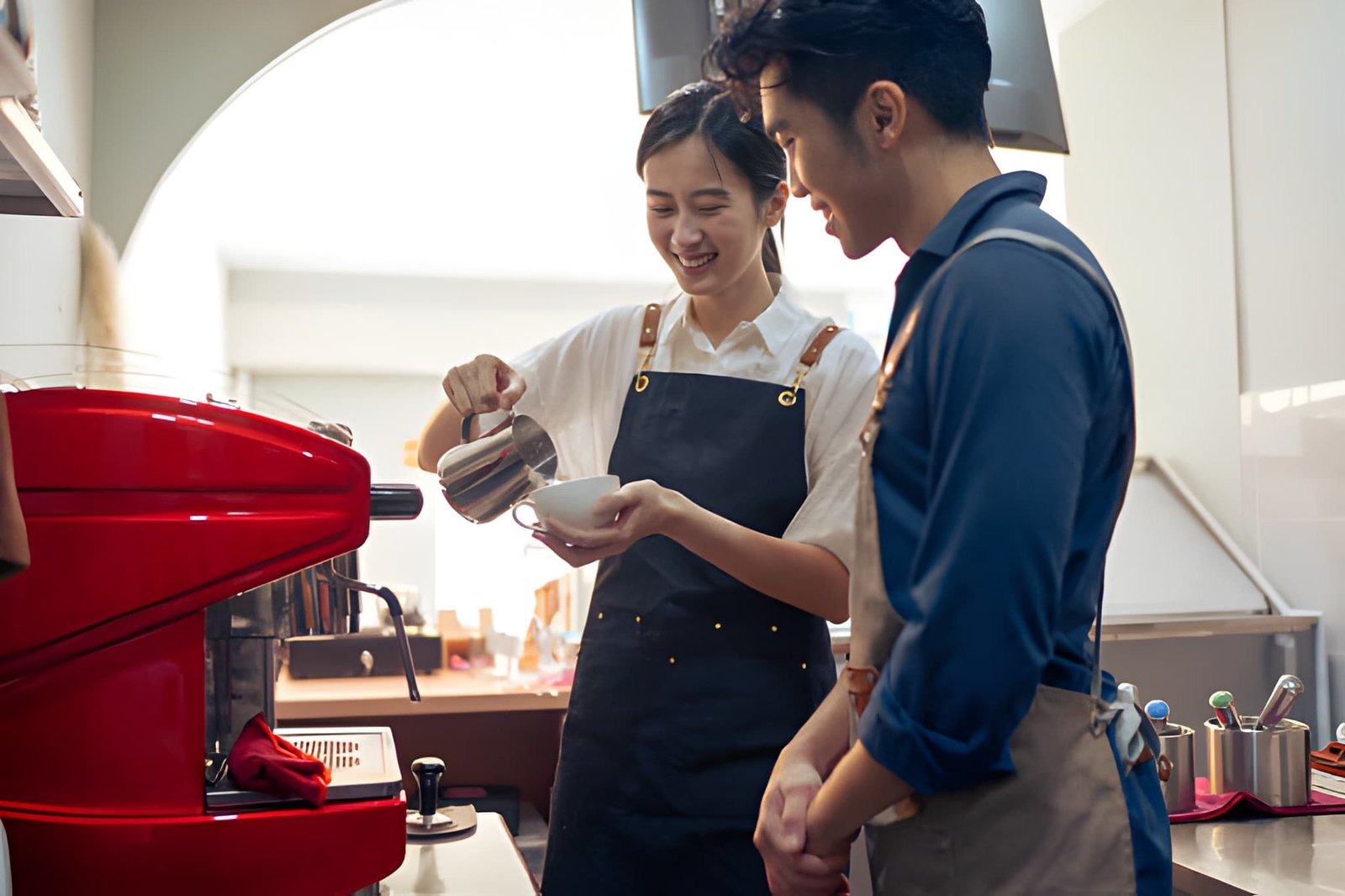
Common pitfalls when booking coffee for events can quietly derail even the most well-planned gatherings. Coffee may seem like a small detail, but it directly affects guest energy, satisfaction, and overall event perception. From corporate conferences to brand activations, event coffee service plays a bigger role than most planners realize, especially when working with professional providers like Kafve.
Many mobile coffee booking mistakes happen because coffee is treated as an add-on instead of a core experience. This guide, inspired by real event scenarios handled by Kafve, breaks down the most common issues and shows you exactly how to avoid them with practical event catering tips.
Why Coffee Planning Is Often Overlooked in Events
Coffee is usually booked late in the planning process. Event hosts focus on venues, speakers, decor, and promotions first. Coffee ends up squeezed into the remaining budget and timeline, even though options like cold brew delivery Singapore are increasingly popular for modern events.
Unlike standard catering, coffee catering for events involves equipment, trained staff, power supply, water access, and flow planning. When these elements are ignored, delays and guest frustration follow, especially when chilled or specialty services such as cold brew delivery Singapore are involved.
A smooth coffee experience boosts engagement, keeps attendees alert, and creates natural networking moments. Poor coffee planning does the opposite, regardless of whether the event serves hot beverages or cold brew delivery Singapore.
Pitfall 1: Unclear Guest Count
An inaccurate guest count is one of the most common mobile coffee booking mistakes. When vendors do not know how many people to expect, service speed and drink availability suffer.
Underestimating guest numbers leads to long queues and early shortages. Overestimating wastes budget and resources.
How to Avoid Guest Count Issues
Always share a realistic range instead of a single number. For example, say 180 to 220 attendees. Confirm RSVP data close to the event date. Ask your coffee vendor how many drinks they can serve per hour and plan accordingly.
A general rule is one drink per guest for short events and two drinks per guest for events longer than four hours.
Pitfall 2: Timing Misalignment with Event Schedule
Coffee demand spikes during registration, breaks, and post-session networking. If your coffee service is not aligned with these moments, congestion occurs.
Common timing errors include opening the coffee cart too late or placing it far from high-traffic areas during breaks.
How to Align Coffee Service with Event Flow
Share the full event agenda with your coffee vendor. Identify peak demand windows. Stagger service or add a second station if necessary. For large events, pre-brew options during peak hours can reduce wait times.
Proper timing ensures coffee enhances the event instead of slowing it down.
Pitfall 3: Weak or Incompatible Power Supply
Many event planners assume power will be available without checking specifications. Coffee machines need stable voltage and sufficient amperage. Weak power causes machine shutdowns and slow service.
Venues may limit extension cords or restrict generator use.
How to Ensure Power Readiness
Confirm power requirements with your vendor in advance. Ask the venue for power layouts and load limits. Plan a backup power source when needed.
Reliable power is critical for any mobile coffee service.
Pitfall 4: Underbudgeting Coffee Catering
Underbudgeting leads to compromises in quality, staff, and speed. Cheap setups often lack skilled baristas and reliable equipment.
Guests notice poor coffee immediately, which reflects badly on the event host.
Smart Budget Planning Tips
Break the budget into equipment, staffing, ingredients, and branding. Spending slightly more on quality improves guest satisfaction and reduces complaints.
Coffee is one of the highest ROI elements in event catering when done right.
Pitfall 5: Lack of Drink Variety
Serving only basic coffee ignores diverse preferences. Many attendees expect dairy-free options, flavored drinks, or non-coffee beverages.
A limited menu reduces perceived value.
Creating a Balanced Coffee Menu
Include espresso, cappuccino, latte, and Americano as basics. Add at least one dairy-free milk option. Include tea or hot chocolate for non-coffee drinkers.
A small but thoughtful menu works better than a long, confusing one.
Pitfall 6: Booking Too Late
Quality coffee vendors book out weeks or months in advance, especially during peak event seasons. Late bookings reduce options and increase costs.
Ideal Booking Timeline
For corporate events, book at least three to four weeks in advance. For large marketing events, aim for six to eight weeks. Early booking allows better customization and planning.
Pitfall 7: No Rain or Weather Backup Plan
Outdoor events without weather planning risk equipment damage and service delays. Rain can shut down coffee service completely.
Weather-Proofing Your Coffee Setup
Confirm tent availability, waterproof power connections, and indoor alternatives. Ask vendors about weather contingency plans.
Preparation prevents last-minute chaos.
Pitfall 8: Branding and Visual Errors
Coffee carts offer valuable branding space. Many planners miss this opportunity or apply branding inconsistently.
Using Coffee as a Branding Tool
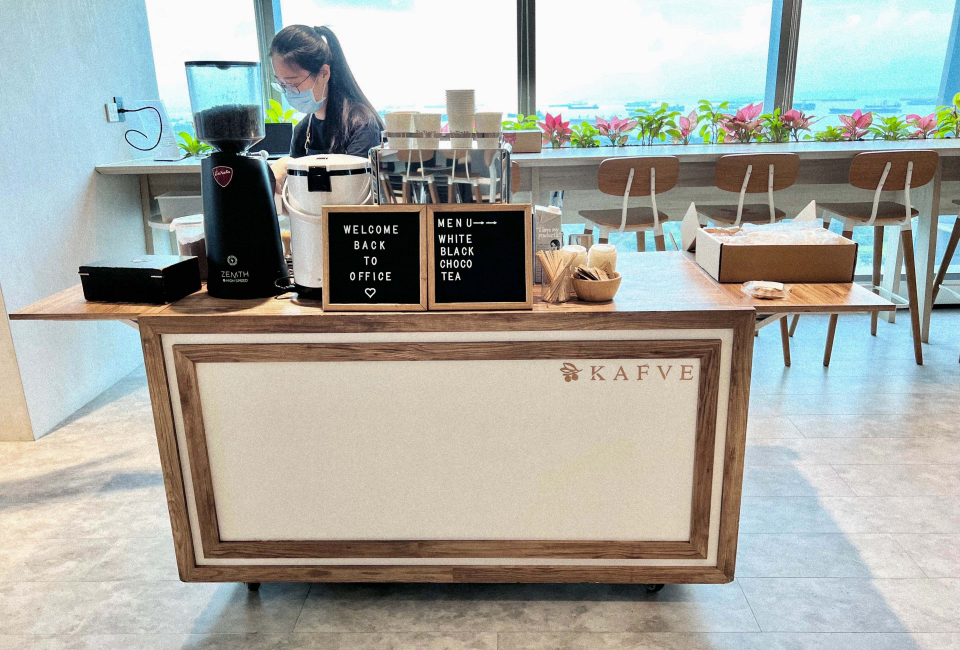
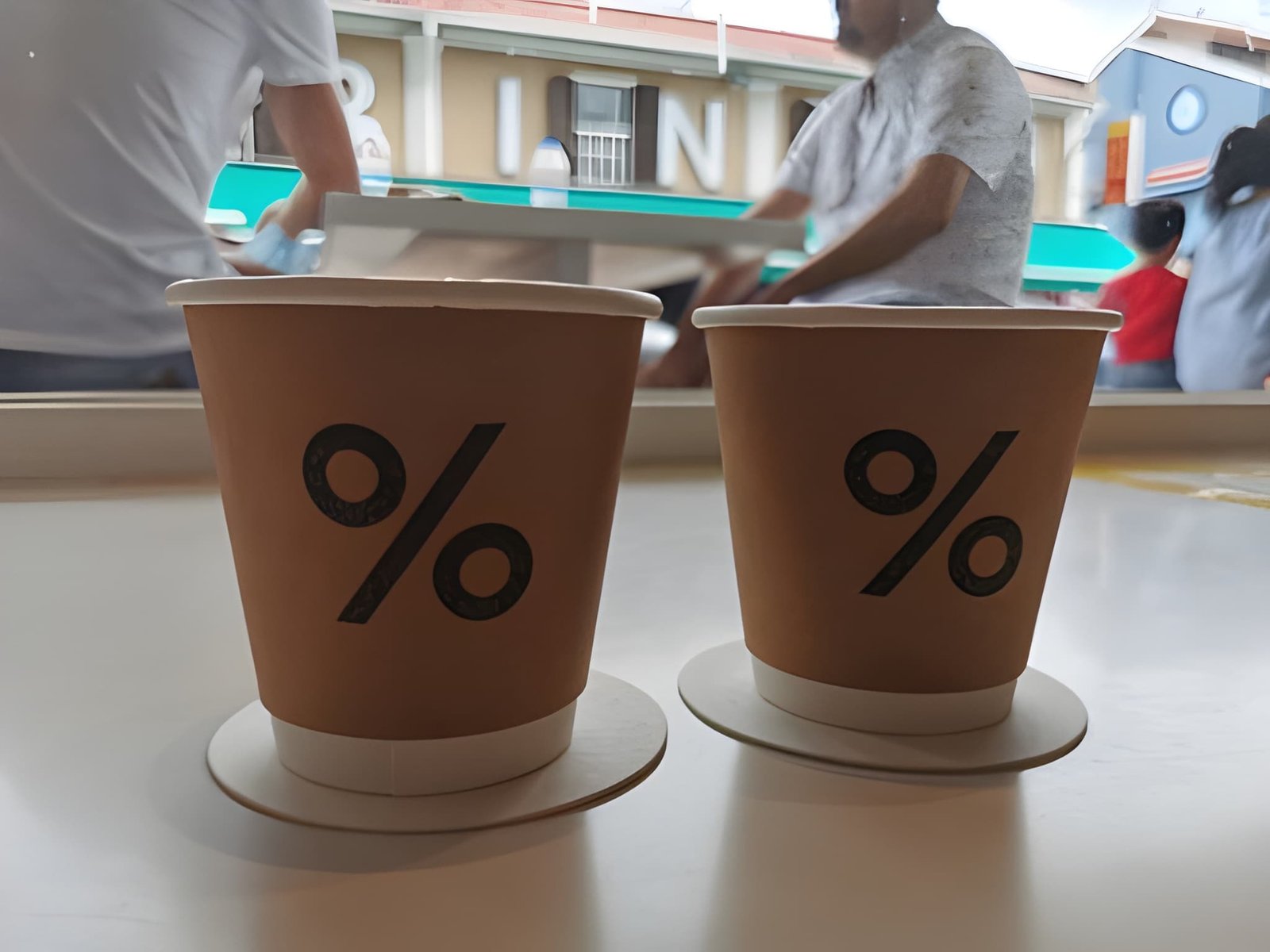
Brand cups, sleeves, or menu boards. Match cart aesthetics with event branding. Position the coffee station where it will be photographed and shared.
Coffee can be both functional and promotional.
Pitfall 9: Under-Trained Staff
Untrained staff slow down service and produce inconsistent drinks. Poor service frustrates guests quickly.
What to Look for in Coffee Staff
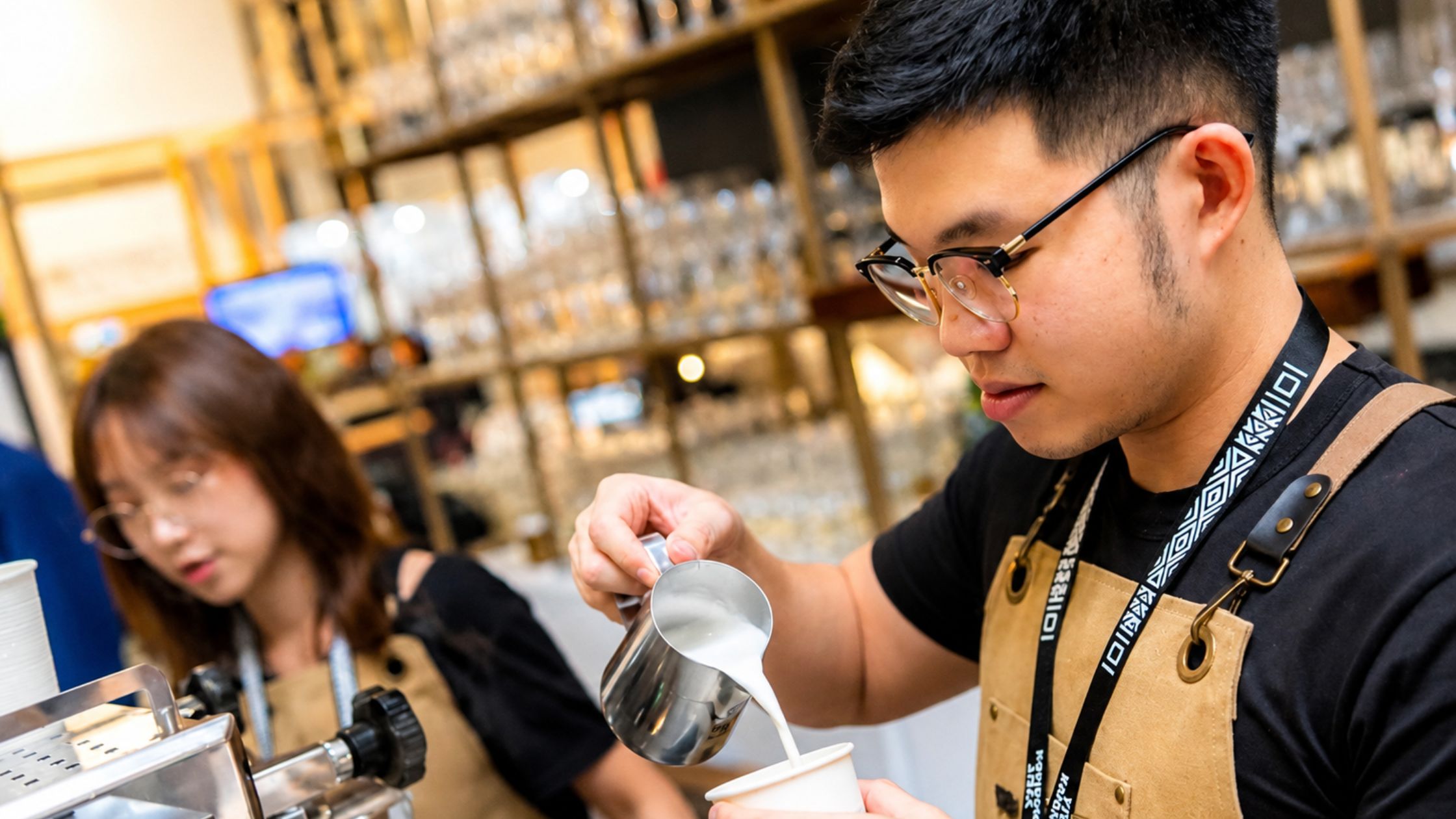
Ensure baristas are trained for high-volume events. Ask about experience, certifications, and past event types. Skilled staff keep queues moving and drinks consistent.
Pitfall 10: Poor Flow Layout and Placement
Bad placement creates bottlenecks and disrupts foot traffic. Noise from machines can interfere with sessions.
Optimizing Coffee Cart Placement
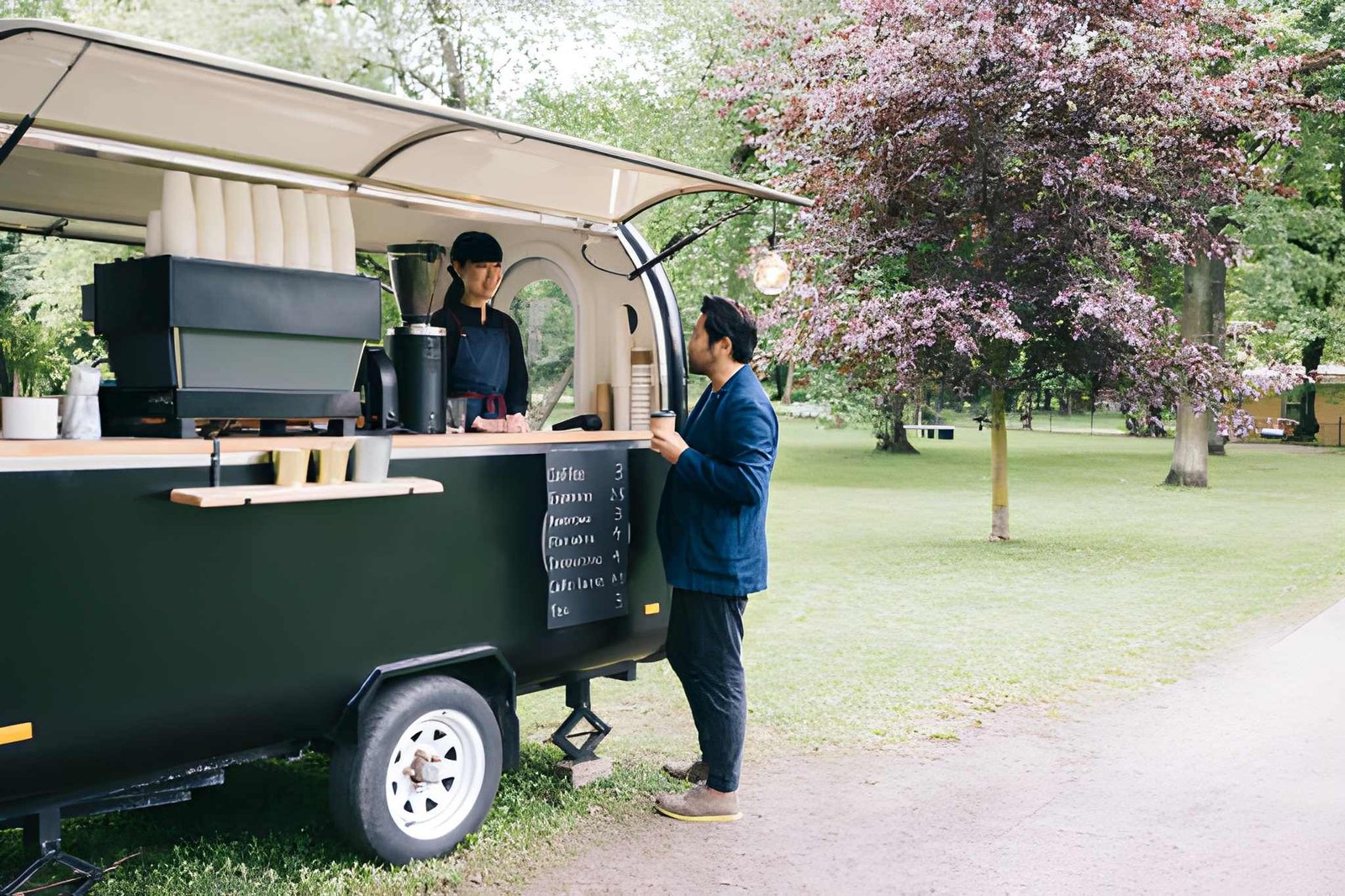
Place carts near networking zones, not entrances or narrow corridors. Allow space for queues without blocking walkways. Test visibility and accessibility.
Smart layout improves both speed and experience.
Event Catering Tips for a Smooth Coffee Experience
Create a pre-event checklist covering power, water, timing, menu, branding, and staffing. Communicate clearly with vendors. Assign one on-site contact for coordination.
Planning ahead removes stress on event day.
Who This Guide Is For
This guide is designed for first-time event hosts, marketing professionals running brand activations, and logistics planners managing complex event operations.
If coffee is part of your event, this information applies to you.
Conclusion
Common pitfalls when booking coffee for events are easy to avoid with proper planning. Clear guest counts, aligned timing, sufficient power, trained staff, and thoughtful layout make all the difference.
Treat coffee as an experience, not an afterthought. When planned well, it enhances energy, engagement, and brand perception throughout your event. Contact Us to plan a seamless coffee experience tailored to your event needs.
FAQ
How many coffee stations do I need for my event?
For every 100 guests, one coffee station works for short events. Larger or longer events may need more
How early should I book a mobile coffee service?
Ideally three to eight weeks in advance, depending on event size and season.
What power is required for a coffee cart?
Most require dedicated power outlets with stable voltage. Always confirm with the vendor.
Should I brand my coffee service?
Yes. Branding improves visibility and adds marketing value to your event.
Is coffee catering suitable for small events?
Yes. Even small events benefit from professional coffee service when planned correctly.