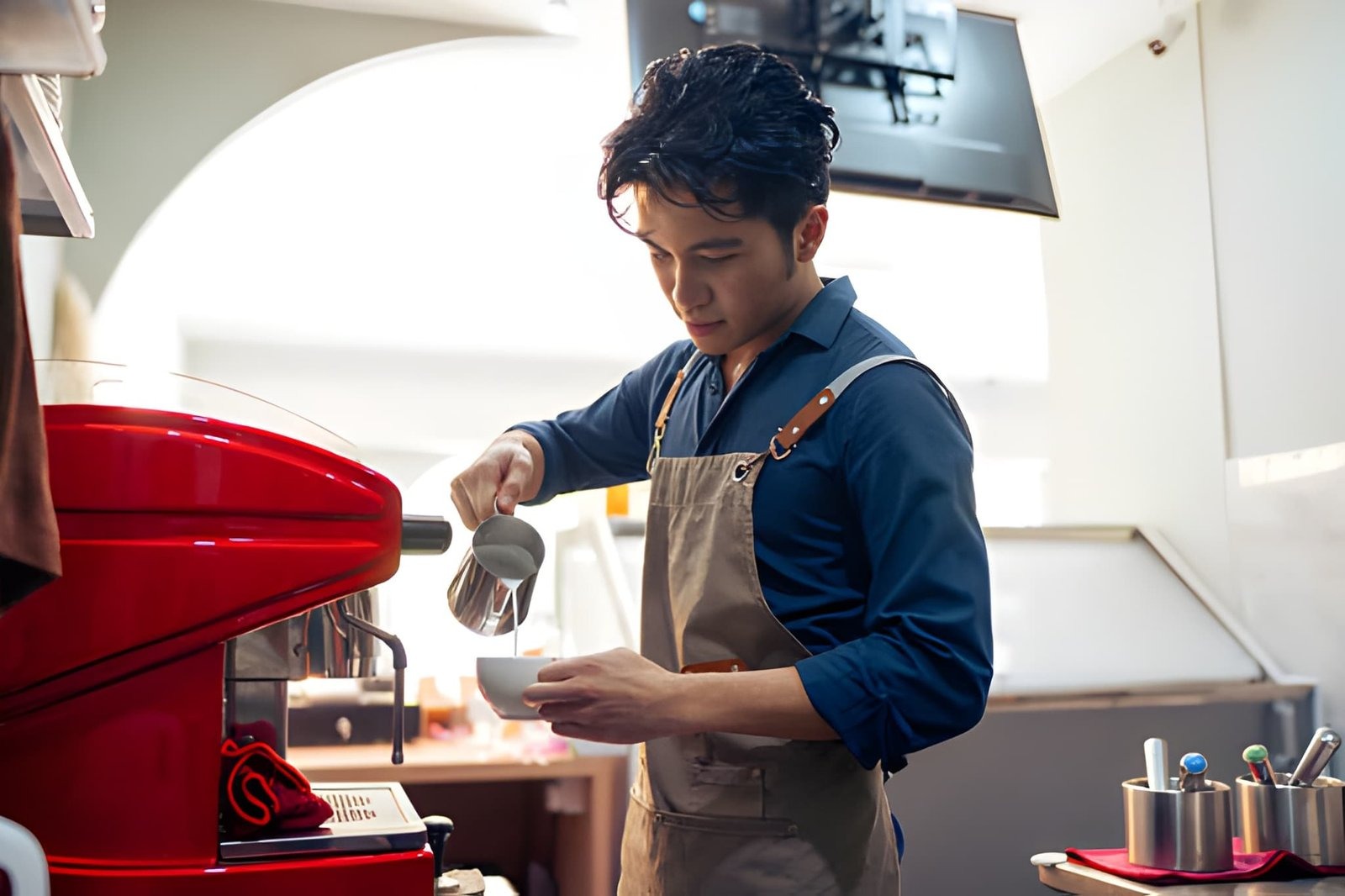
Choosing the right coffee setup for a workplace is about more than picking a machine that looks good in the pantry. The best office coffee machines should match your team size, daily coffee consumption, available space, budget, and the type of drinks employees actually enjoy.
For some workplaces, a compact machine that prepares individual cups is enough. Larger teams may need a high-capacity commercial system that can handle frequent orders throughout the day. Others may prefer a simpler solution for fresh brewed coffee that does not require employees to learn how to operate complicated equipment.
This guide explains what to consider when comparing office coffee machines, from brewing methods and capacity to maintenance, drink variety, and long-term costs.
What Should You Consider When Choosing an Office Coffee Machine?
Before comparing specific machine types, start by looking at how coffee is consumed in your workplace. A machine that works well for a five-person office may not be practical for a company with 50 or 100 employees.
Consider your average number of coffee drinkers, the busiest times of day, the types of drinks employees prefer, and how much time your team can realistically spend maintaining the equipment.
The right choice should make coffee convenient without creating another daily task for your office manager or facilities team.
1. Estimate Your Daily Coffee Demand
Team size is one of the most important factors when choosing office coffee machines, but headcount alone does not tell the whole story.
A 20-person office where most employees drink coffee several times a day may need more capacity than a 40-person workplace where only a few people regularly use the coffee station.
Think about:
- How many people drink coffee each day
- The average number of cups per person
- Peak coffee times
- Whether visitors and clients will use the machine
- Whether coffee is served only during breaks or throughout the day
This information helps determine whether you need a basic single-cup system, a bean-to-cup machine, or a higher-capacity commercial setup.
Types of Office Coffee Machines to Consider
There is no single machine that suits every workplace. Different brewing systems provide different levels of convenience, speed, drink variety, and control.
Bean-to-Cup Coffee Machines
Bean-to-cup machines grind whole coffee beans immediately before brewing. They can prepare drinks with minimal manual involvement, making them a practical option for offices where convenience is important.
Depending on the model, employees may be able to select drinks such as espresso, Americano, cappuccino, or latte from a simple control panel.
The main advantage is that the machine handles much of the brewing process automatically. This can reduce preparation time while still providing coffee made from freshly ground beans.
However, bean-to-cup machines can require regular cleaning and maintenance. Offices should also consider the cost of filters, cleaning products, servicing, and replacement components.
Capsule or Pod Machines
Capsule machines are straightforward to operate and usually require little preparation. Employees simply select a capsule and start the brewing process.
They can work well for smaller offices where coffee consumption is relatively low and simplicity is a priority.
The trade-off is that ongoing capsule costs can become significant as usage increases. There is also less flexibility in terms of bean selection and brewing compared with machines that use fresh beans.
Traditional Espresso Machines
A traditional espresso machine can be a good choice when your workplace has employees who appreciate barista-style preparation and are willing to spend more time making coffee.
These machines provide greater control over the brewing process, including variables such as grind size, dose, extraction time, and milk preparation.
However, they require more skill and involvement. If dozens of employees need coffee quickly between meetings, a traditional espresso machine may create queues unless someone is responsible for preparing the drinks.
Filter and Fresh Brewed Coffee Machines
If your team prefers straightforward black coffee, a filter or batch brewer may be the most practical option.
These systems are designed to prepare multiple servings of fresh brewed coffee at once. They can be particularly useful for meetings, shared office kitchens, and workplaces where employees tend to drink regular coffee rather than espresso-based beverages.
The key consideration is freshness. Coffee should be brewed in suitable quantities and consumed within an appropriate period rather than being left sitting for hours.
How Much Should You Spend on an Office Coffee Machine?
The purchase price is only one part of the cost. A machine that appears inexpensive initially may cost more over time because of consumables, maintenance, servicing, and replacement parts.
When comparing office coffee machines, calculate the total cost of ownership.
Initial Equipment Cost
Start with the machine itself. Commercial-grade equipment generally costs more than domestic machines because it is designed to handle higher workloads.
Your budget should reflect how frequently the machine will be used. Paying more for capacity and durability can make sense when a machine is expected to serve employees throughout the working day.
Coffee and Consumable Costs
Consider the ongoing cost of beans, capsules, milk, filters, cups, cleaning supplies, and other consumables.
For high-volume offices, even a small difference in the cost per cup can become substantial over a year.
Maintenance and Servicing
Every coffee machine requires some level of cleaning and maintenance. Automatic systems may reduce daily preparation work but still require internal cleaning, descaling, filter replacement, and periodic servicing.
Before purchasing, check how frequently maintenance is required and whether servicing can be arranged locally.
Match the Machine to Your Team Size
Your workplace size should influence the machine’s brewing capacity and speed.
Small Offices
A small team may not need a large commercial machine. A compact bean-to-cup, capsule, or fresh brewed coffee system can provide enough capacity without taking up unnecessary counter space.
For smaller workplaces, simplicity is often more valuable than having a machine with dozens of settings.
Medium-Sized Offices
Medium-sized teams should look for a machine that can cope with repeated use throughout the day.
If employees have different preferences, a bean-to-cup system with multiple drink selections can provide more flexibility. If most people drink black coffee, a reliable batch brewer may be more efficient.
Large Workplaces
Larger teams need to think carefully about capacity and peak demand.
If 30 employees want coffee within a short period, a machine with a slow brewing cycle can quickly create queues. In these situations, workplaces may benefit from higher-capacity commercial equipment, multiple machines, or a combination of brewing methods.
For particularly busy offices, it can also make sense to consider managed coffee services rather than relying entirely on employees to operate and maintain the equipment.
Espresso Coffee or Regular Coffee?
Employee preferences should play a major role in your decision.
If your team mainly drinks espresso coffee, look for a system designed to produce consistent espresso-based beverages. This could include espresso, Americano, cappuccino, flat white, and latte options.
If employees mostly want a quick cup of regular coffee, investing in an advanced espresso machine may provide features that are rarely used.
A workplace coffee survey can be surprisingly useful. Ask employees what they normally order from a café and what they would like available in the office.
This simple step can prevent you from paying for features that do not match actual demand.
Think About Ease of Use
The best office coffee machine is one employees will actually use.
Complex machines can produce excellent coffee, but complicated controls may discourage employees from using them. This is especially relevant in workplaces where staff members have different levels of coffee knowledge.
Look for clear controls, straightforward cleaning procedures, accessible water and bean compartments, and easy-to-understand instructions.
If your workplace has multiple shifts or frequent visitors, ease of use becomes even more important.
Consider Kitchen Space and Installation Requirements
Before purchasing a machine, measure the available counter space.
Do not forget to account for clearance around the machine. Employees may need room to fill the water tank, add beans, remove drip trays, or perform routine cleaning.
You should also check:
- Power requirements
- Water supply requirements, if applicable
- Drainage requirements
- Ventilation
- Counter strength
- Accessibility for servicing
A machine may have excellent specifications but still be unsuitable if it does not fit comfortably into your workplace.
How Important Is Maintenance?
Maintenance should be considered before buying, not after the machine is installed.
Coffee oils, milk residue, mineral deposits, and other buildup can affect both hygiene and coffee quality if equipment is not cleaned correctly.
Automatic cleaning programs can reduce the amount of manual work, but they do not eliminate maintenance altogether.
Create a simple workplace routine covering daily cleaning, weekly checks, consumable replacement, and professional servicing where required.
Assigning responsibility can also help prevent the common problem of everyone assuming someone else will clean the machine.
Should You Buy a Machine or Use a Coffee Service?
Buying a machine is not the only option for providing workplace coffee.
Some businesses may find that a coffee service is more practical, particularly when they want professionally prepared drinks without managing equipment themselves.
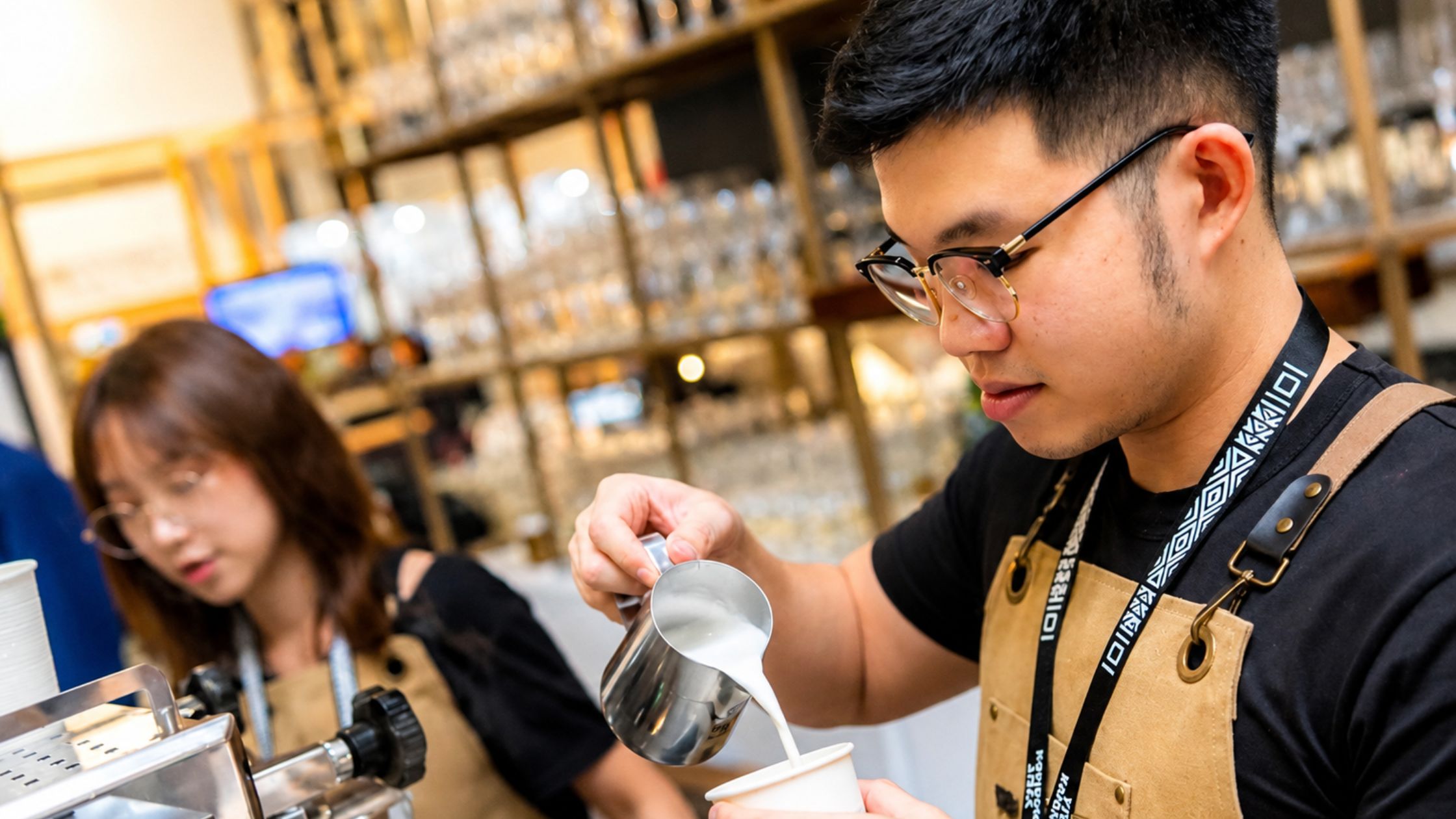
For example, an office barista service can provide freshly prepared coffee while reducing the responsibility placed on employees. KAFVE offers office barista services as part of its wider coffee service offering.
This approach can be useful for workplaces hosting regular meetings, client visits, corporate functions, or occasions where coffee service needs to be more hands-on.
For offices that need coffee for a meeting or gathering without installing additional equipment, ready-to-go coffee can also be an alternative. KAFVE provides brewed coffee in dispensers, including options designed for groups of different sizes.
When Fresh Brewed Coffee Makes More Sense
Not every workplace needs individual espresso drinks.
If employees mostly prefer simple black coffee, fresh brewed coffee can be an efficient option. Batch brewing allows several servings to be prepared together, which can be particularly convenient during meetings or busy morning periods.
Another benefit is that employees do not need barista-level knowledge. They can pour a cup and return to work without spending several minutes preparing a drink.
For workplaces that need coffee temporarily rather than every day, a coffee dispenser service can also be considered instead of purchasing another machine.
What About Mobile Coffee Services?
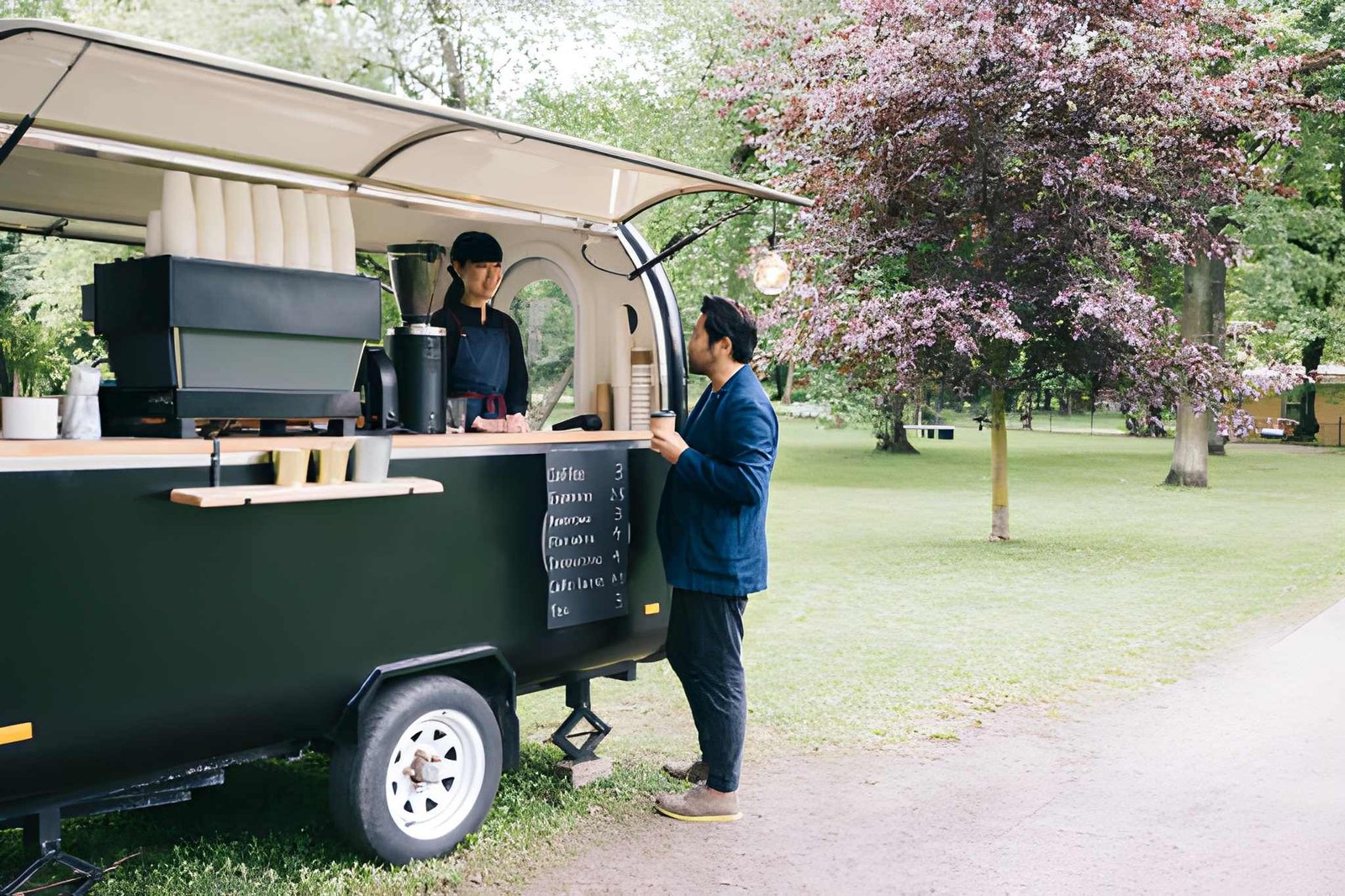
Mobile coffee services are generally more suitable for workplace events, launches, conferences, meetings, and special occasions than for everyday pantry use.
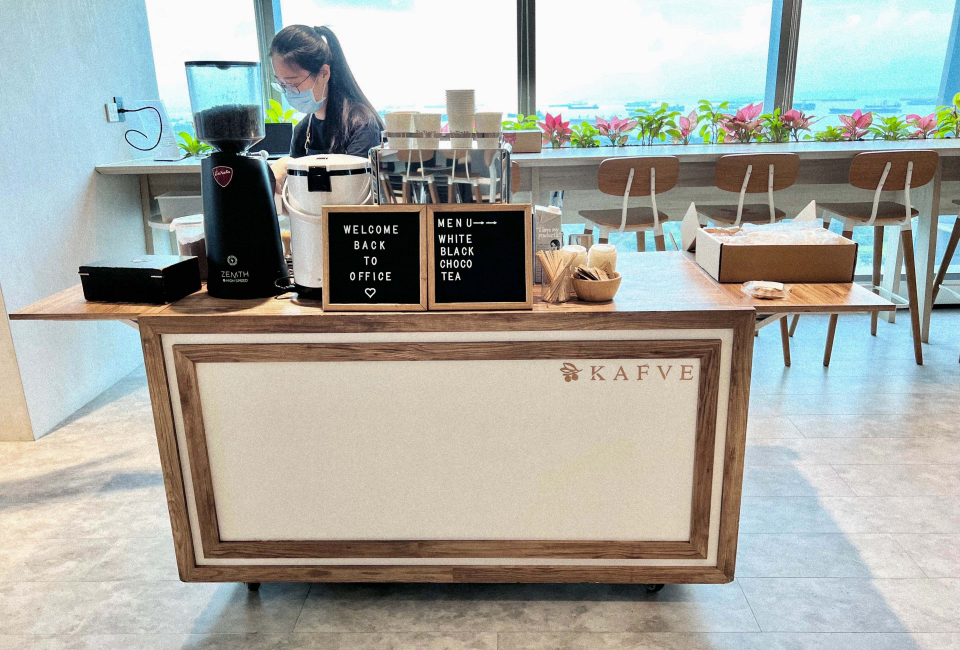
A mobile coffee service Singapore provider can bring the equipment, coffee, and trained staff directly to a workplace or event. This can be useful when the goal is to provide freshly prepared espresso drinks without permanently installing commercial equipment.
KAFVE’s mobile coffee services include coffee carts, office baristas, cold brews, and other coffee experiences for corporate and private events. Its live coffee station can prepare drinks on demand and can be scaled for larger groups.
This option may be worth considering if your business regularly hosts conferences, seminars, exhibitions, product launches, or employee events.
Other Coffee Options for the Workplace
A workplace does not necessarily have to rely on one coffee format.
For example, an office could use a permanent machine for everyday drinks while bringing in additional services for larger events.
A cold brew delivery service can provide a chilled alternative, particularly for employees who prefer cold coffee. KAFVE offers bottled cold brew options with different coffee and non-coffee flavours, as well as plant-based milk options.
For meetings and events, coffee on the go or ready-to-go coffee can also reduce queues because employees or guests can serve themselves from a prepared dispenser. KAFVE’s ready-to-go service includes coffee dispensers intended for offices, meetings, events, and gatherings.
A Simple Checklist Before You Buy
Before making a final decision, compare your shortlisted machines based on actual workplace requirements rather than features alone.
Ask yourself:
- How many cups are consumed each day?
- How many employees will use the machine?
- What drinks are most popular?
- How much counter space is available?
- Who will clean and maintain the machine?
- What is the expected cost per cup?
- How quickly does the machine need to serve multiple people?
- Is professional servicing available?
- Would a coffee service be more practical?
- Does the machine fit the workplace’s long-term needs?
Answering these questions will make it easier to narrow down the available options.
Conclusion
Choosing among office coffee machines becomes much easier when you start with your workplace’s actual needs. Team size, daily consumption, preferred drinks, available space, budget, maintenance requirements, and peak demand should all influence the decision.
A small office may benefit from a simple and compact system, while a larger workplace may need a higher-capacity commercial machine or more than one brewing option. If your business regularly hosts meetings or events, professional coffee services can also provide flexibility without requiring additional permanent equipment.
For workplaces that want to explore options beyond a traditional machine, KAFVE provides office barista services, mobile coffee solutions, fresh brewed coffee options, cold brews, and coffee services for events. The right solution ultimately depends on how your team drinks coffee and how much involvement your business wants in managing the coffee experience.
Frequently Asked Questions About Office Coffee Machines
What is the best office coffee machine for a small team?
A compact bean-to-cup, capsule, or fresh brewed coffee machine can work well for a small team. The best choice depends on coffee preferences, daily consumption, available space, and budget.
Are bean-to-cup machines suitable for offices?
Yes. Bean-to-cup machines can be suitable for offices because they automate much of the grinding and brewing process. They can also provide several drink options without requiring extensive coffee-making skills.
How many cups can an office coffee machine make?
Capacity varies significantly between machines. Check the manufacturer’s recommended daily output and consider your workplace’s peak demand rather than relying only on the number of employees.
Is fresh brewed coffee good for an office?
Yes. Fresh brewed coffee can be practical for workplaces where employees prefer regular coffee. It is especially useful when several people need coffee at approximately the same time.
Should an office choose espresso or filter coffee?
It depends on employee preferences. Espresso machines are better suited to workplaces where drinks such as lattes, cappuccinos, and Americanos are popular. Filter or batch brewing can be more efficient when most employees prefer regular black coffee.
How often should an office coffee machine be cleaned?
Cleaning requirements vary by machine and usage. Follow the manufacturer’s cleaning schedule and pay particular attention to milk systems, brewing components, drip trays, and areas that come into contact with coffee.
Can a coffee service replace an office coffee machine?
In some workplaces, yes. A coffee service can be useful when businesses want professionally prepared drinks without purchasing, maintaining, and operating commercial equipment themselves. It can also complement an existing machine during busy meetings and events.