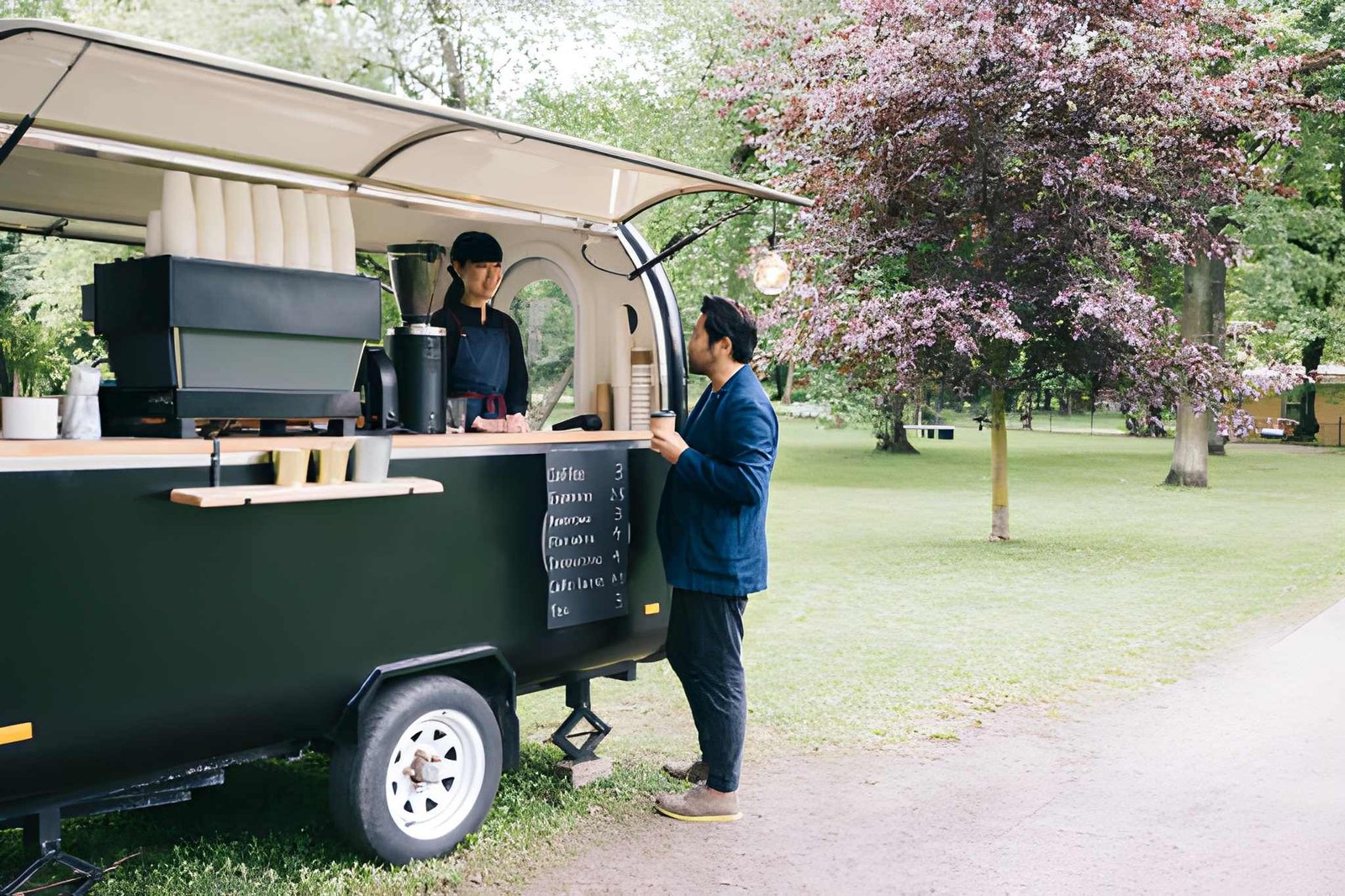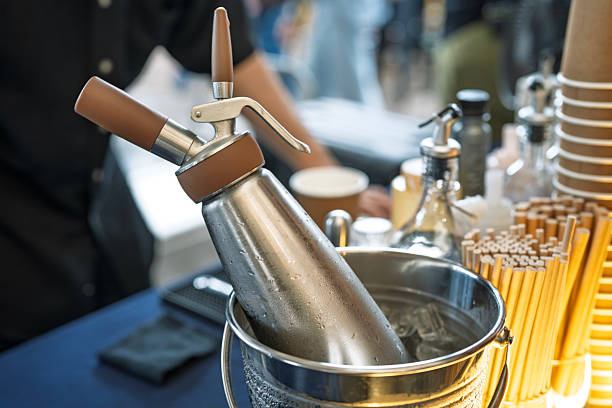
Cold brew dispenser setup is an effective way to serve fresh coffee in offices, conferences, and large gatherings. Instead of brewing multiple batches of coffee throughout the day, a cold brew tap system allows staff or guests to pour coffee instantly from a refrigerated keg system. Many offices and event organizers now explore cold brew solutions offered by providers such as Kafve to simplify beverage service and maintain consistent quality.
Many offices and event organizers are adopting cold brew dispenser systems because they simplify beverage service and maintain consistent quality. When installed correctly, the system keeps coffee cold, maintains proper pressure, and delivers smooth beverage flow. Cold brew equipment from brands like Kafve is often designed to support reliable dispensing and consistent beverage temperature in workplace and event environments.
This guide explains how to plan and complete a cold brew dispenser setup. It covers equipment selection, refrigeration requirements, pressure systems, cleaning routines, and operational considerations for organizations considering cold brew dispensing solutions such as Kafve systems.
Understanding Cold Brew Dispenser Systems
Before installation begins, it is important to understand how a cold brew dispenser system works.
A typical system consists of several connected components:
- Cold brew keg or container
- CO2 or nitrogen gas tank
- Pressure regulator
- Beverage lines
- Tap or dispensing tower
- Refrigeration unit
Together these components create a controlled system that pushes cold brew coffee from the keg to the tap.
Nitrogen is often used for premium cold brew systems because it creates a smoother texture and stable foam. However, simple cold brew dispensers may rely on gravity or standard CO2 pressure systems.
Understanding these components helps offices and event planners choose the correct equipment for their beverage needs.
Choosing the Right Coffee Dispenser Setup
The first step in cold brew dispenser setup is selecting the correct type of dispenser.
Countertop Dispensers
Countertop systems are compact and easy to install. They are common in small offices or meeting rooms. These dispensers usually contain a small refrigerated tank and simple tap system.
Advantages include:
- Minimal installation requirements
- Lower equipment cost
- Suitable for small teams
However, they typically hold smaller volumes of coffee.
Keg Based Cold Brew Systems
Keg systems are the most common choice for events and larger offices. These setups use stainless steel kegs connected to pressure lines.
Benefits include:
- Higher coffee capacity
- Stable pressure and beverage flow
- Compatibility with nitrogen infusion systems
Because of these features, many catering companies prefer keg systems for conferences and corporate events.
Refrigeration Requirements for Cold Brew Systems
Cold brew coffee must remain refrigerated to maintain freshness and food safety standards.
Most cold brew dispenser setups rely on one of the following refrigeration methods.
Kegerator Refrigeration Units
Kegerators are specialized refrigerators designed to hold beverage kegs and gas cylinders. They maintain stable temperatures while allowing easy tap access.
These units are widely used in office break rooms and event bars.
Commercial Beverage Coolers
Some organizations install cold brew dispensers inside larger commercial beverage refrigerators. This approach works well when multiple beverages are served.
The ideal temperature for cold brew storage ranges between 2°C and 4°C. Maintaining this range prevents bacterial growth and preserves flavor.
Installing the Pressure and Gas System
Pressure systems allow coffee to flow from the keg to the tap at a consistent rate.
Nitrogen Systems
Nitrogen gas creates a creamy texture and smooth mouthfeel in cold brew coffee. Many premium setups use nitrogen tanks and regulators to maintain pressure.
This system requires:
- Nitrogen gas tank
- Pressure regulator
- Food grade beverage lines
CO2 Systems
CO2 systems are more common in general beverage dispensing equipment. They are easier to install but may slightly alter the flavor profile of coffee.
For standard cold brew service at events, CO2 pressure systems are often sufficient.
Correct pressure levels typically range between 30 and 40 PSI depending on the system design.
Managing Beverage Flow Rate
Flow rate affects how quickly coffee pours from the tap. If the flow rate is too high, beverages may foam or spill. If it is too low, service becomes slow.
Flow control depends on several factors:
- Pressure levels
- Beverage line length
- Tap design
- Temperature stability
Facilities managers should test the system before service begins. Adjusting pressure regulators and line length can help achieve a smooth and steady flow.
Cold Brew Storage Guidelines
Cold brew coffee has a longer shelf life than hot brewed coffee, but it still requires proper storage.
Recommended storage practices include:
- Keep kegs sealed when not in use
- Store coffee at consistent refrigeration temperatures
- Avoid exposure to direct sunlight or heat
- Label kegs with preparation dates
Most cold brew coffee remains fresh for 5 to 7 days in a sealed keg system. Proper refrigeration helps preserve flavor and maintain hygiene compliance.
Cleaning and Maintenance Procedures
Regular cleaning is essential for any cold brew dispenser setup. Coffee oils and residue can build up in beverage lines over time.
Cleaning should include:
- Flushing beverage lines with cleaning solution
- Sanitizing taps and connectors
- Rinsing all equipment thoroughly
- Inspecting seals and pressure regulators
Industry guidelines recommend cleaning dispenser lines at least once every two weeks. High volume event systems may require more frequent cleaning.
Consistent maintenance protects beverage quality and extends equipment lifespan.
Staff Training for Dispenser Operation
A cold brew dispenser system is simple to operate, but staff training improves efficiency and safety.
Training should cover the following areas:
- How to pour coffee correctly
- How to monitor pressure levels
- How to replace empty kegs
- How to identify leaks or system issues
For events, catering teams often perform a quick system check before service begins. This ensures the dispenser operates correctly during peak demand.
Cold Brew Dispenser Rental for Events
Many event organizers prefer renting dispenser equipment instead of purchasing it.
Rental providers typically supply:
- Refrigerated dispenser units
- Cold brew kegs
- Gas tanks and regulators
- Setup and removal services
Rental services simplify logistics for conferences, trade shows, and weddings. They also reduce equipment storage requirements for event companies.
Facilities managers should confirm delivery times, installation assistance, and cleaning procedures before the event.
Hygiene and Compliance Considerations
Food safety regulations apply to cold brew dispensing systems.
Organizations should follow hygiene guidelines such as:
- Sanitizing taps before service
- Using food grade beverage lines
- Maintaining proper refrigeration temperatures
- Documenting cleaning schedules
Following these procedures supports compliance with workplace food safety standards.
Conclusion
Cold brew dispenser setup provides an efficient solution for serving coffee in offices, conferences, and events. A properly installed system maintains consistent beverage quality while simplifying service for staff and guests. Organizations that need additional guidance on equipment selection or installation can review support resources or visit the Contact Us page to request further information.
Successful installation requires attention to refrigeration, pressure control, beverage flow rate, and cleaning procedures. When these elements are managed correctly, cold brew dispensers can operate reliably for both small offices and large events.
By understanding equipment options, storage requirements, and maintenance routines, organizations can create a dependable coffee service system that meets operational needs without unnecessary complexity. For organizations planning a new setup or evaluating equipment options, the Contact Us section can provide access to additional operational guidance and technical assistance.
FAQ
What equipment is required for a cold brew dispenser setup?
A standard system requires a cold brew keg, gas tank, pressure regulator, beverage lines, dispensing tap, and refrigeration unit.
How long does cold brew stay fresh in a keg system?
Cold brew coffee generally remains fresh for 5 to 7 days when stored in a sealed refrigerated keg.
Is nitrogen required for cold brew dispensers?
Nitrogen is not required but is often used to create a smoother texture and creamy appearance in cold brew coffee.
How often should cold brew dispenser lines be cleaned?
Most systems require cleaning every two weeks. High volume use may require more frequent maintenance.
Can cold brew dispensers be rented for events?
Yes. Many catering suppliers offer cold brew dispenser rental services that include equipment, gas tanks, and installation support.