Hosting a mobile coffee bar is one of the most engaging ways to elevate any event, and having Your Venue Checklist for Hosting a Mobile Coffee Bar ensures everything runs smoothly from start to finish. Whether you are planning a corporate event, wedding, exhibition, or private gathering, proper venue preparation is essential for a seamless coffee service experience.
A well-organized checklist helps you avoid last-minute issues, improves guest experience, and ensures the coffee service flows efficiently. With expert providers like Kafve, you can simplify the process while still maintaining complete control over your event setup.
In this guide, we will walk you through everything you need to consider, from space requirements to post-event cleanup, so you can host a flawless mobile coffee bar experience.
Why a Venue Checklist Matters
Before diving into logistics, it is important to understand why planning matters. A mobile coffee bar is not just about serving coffee. It involves equipment, staff movement, utilities, and guest interaction.
Without proper planning:
- Service delays can occur
- Equipment may not function properly
- Guest experience may suffer
On the other hand, a well-prepared venue ensures:
- Smooth service flow
- Efficient crowd control
- Professional presentation
1. Space Requirements: Planning the Layout
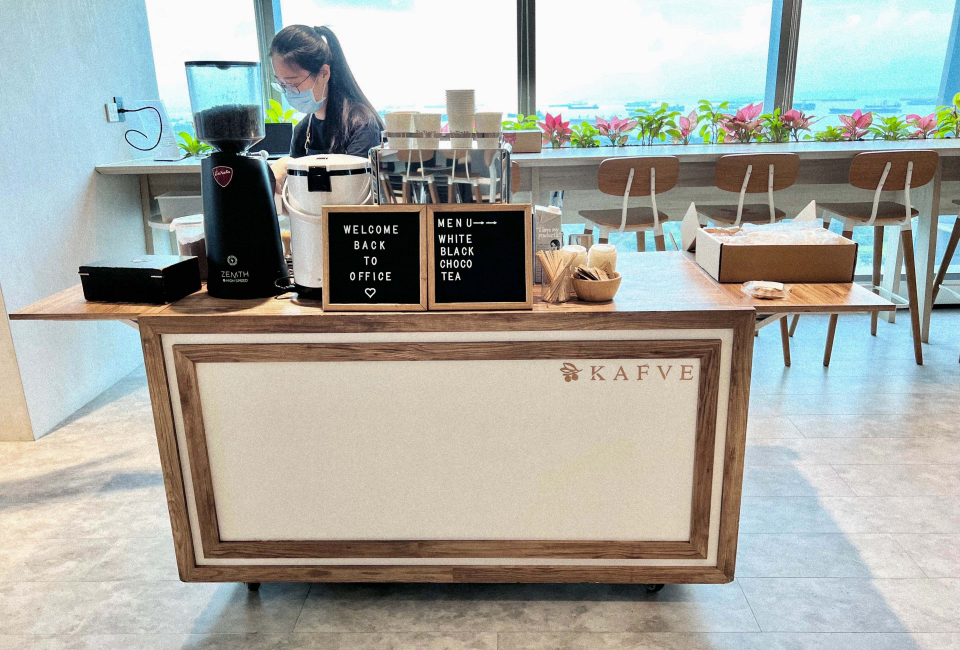
One of the first elements in Your Venue Checklist for Hosting a Mobile Coffee Bar is evaluating space requirements.
A mobile coffee bar typically needs:
- 2 to 3 meters of width
- Enough depth for machines and staff movement
- Space for guest queuing
You should also consider:
- Nearby seating areas
- Accessibility for guests
- Visibility within the venue
A cramped setup can slow service and create discomfort for both staff and guests.
2. Access Points: Easy Entry and Exit
Access points are often overlooked but are critical for smooth operations.
Make sure your venue provides:
- Clear entry paths for equipment
- Loading and unloading zones
- Elevator access if indoors and multi-level
Heavy coffee machines and counters require safe and direct access. Narrow hallways or stairs can delay setup timing and increase risks.
3. Power Needs: Keeping the Coffee Flowing
Power needs are one of the most important technical considerations.
Mobile coffee bars typically require:
- Standard 220–240V outlets
- Dedicated circuits for espresso machines
- Backup power options if needed
Always confirm:
- Number of power outlets
- Distance from setup area
- Load capacity
Without a proper power supply, even the best coffee setup cannot operate efficiently.
4. Water Access: A Must-Have Utility
Water access is essential for coffee preparation, cleaning, and hygiene.
Check if your venue provides:
- Direct water connection
- Nearby sinks
- Drainage systems
If water access is limited, inform your coffee vendor in advance. Many professional providers like Kafve can arrange alternative solutions.
5. Weather Cover: Indoor vs Outdoor Planning
If your event is outdoors, weather cover becomes critical.
Consider:
- Shade for sunny conditions
- Tents or canopies for rain
- Wind protection for equipment
Weather can directly impact service quality and guest comfort, so always have a backup plan.
6. Bar Height and Setup Design
Bar height plays a key role in both aesthetics and functionality.
Standard bar height:
- Around 90–110 cm for comfortable service
This ensures:
- Easy interaction between barista and guests
- Proper ergonomic working conditions
A well-designed bar also enhances the visual appeal of your event.
7. Service Flow: Keeping Things Efficient
Service flow determines how quickly and smoothly guests receive their coffee.
To optimize service flow:
- Position the bar in a visible area
- Create a clear ordering and pickup point
- Avoid bottlenecks
A good flow reduces waiting time and improves overall guest satisfaction.
8. Crowd Control: Managing Guest Movement
Crowd control is essential, especially for large events.
Plan for:
- Queue management
- Signage for directions
- Space for waiting guests
You can also use barriers or floor markings to guide guests effectively.
9. Setup Timing: Arrive Early, Stay Prepared
Setup timing should always be planned in advance.
Typical setup requirements:
- 60 to 120 minutes before event start
This allows time for:
- Equipment installation
- Testing machines
- Final adjustments
Always coordinate with your vendor to ensure timely setup.
10. Post-Event Cleanup: Ending on a High Note
Post-event cleanup is just as important as setup.
Ensure:
- Waste disposal arrangements
- Cleaning supplies availability
- Clear exit plan for equipment
A professional vendor like Kafve usually handles cleanup efficiently, but confirming responsibilities beforehand avoids confusion.
Venue Checklist Table
Below is a quick reference table to simplify your planning:
Checklist Item | Key Considerations | Importance Level |
Space Requirements | Minimum 2–3 meters, guest movement space | High |
Access Points | Easy loading and unloading | High |
Power Needs | Dedicated outlets, correct voltage | Critical |
Water Access | Sink or alternative water supply | High |
Weather Cover | Shade, tents, backup plan | Medium |
Bar Height | 90–110 cm standard | Medium |
Service Flow | Clear order and pickup points | High |
Crowd Control | Queue management | Medium |
Setup Timing | 1–2 hours before event | High |
Post-Event Cleanup | Waste and equipment removal | High |
Choosing the Right Coffee Partner
While your venue checklist is important, choosing the right vendor makes all the difference.
With Kafve, you get:
- Professional setup and equipment
- Experienced baristas
- Flexible solutions for different venues
- End-to-end event support
Common Mistakes to Avoid
Even with a checklist, mistakes can happen. Here are some to watch out for:
- Ignoring power requirements
- Underestimating space requirements
- Poor service flow planning
- No backup for weather conditions
- Lack of communication with vendor
Avoiding these ensures a smooth and professional experience.
Final Thoughts
Using Your Venue Checklist for Hosting a Mobile Coffee Bar helps you create a well-organized and stress-free event. From space requirements to post-event cleanup, every detail contributes to the overall experience.
With proper planning and the right partner like Kafve, your event can deliver not just coffee, but a memorable experience for every guest. Contact Kafve for more details.
FAQs
How much space is needed for a mobile coffee bar?
Typically, you need at least 2 to 3 meters of space along with additional room for guest queues and staff movement.
Do mobile coffee bars require a water connection?
Yes, water access is important, but many providers can bring their own supply if needed.
What power setup is required?
Most setups require standard 220–240V outlets with sufficient load capacity for espresso machines.
How early should setup begin?
Setup usually starts 60 to 120 minutes before the event to ensure everything is ready on time.
Who handles cleanup after the event?
Most professional vendors, including Kafve, handle post-event cleanup, but it is best to confirm in advance.