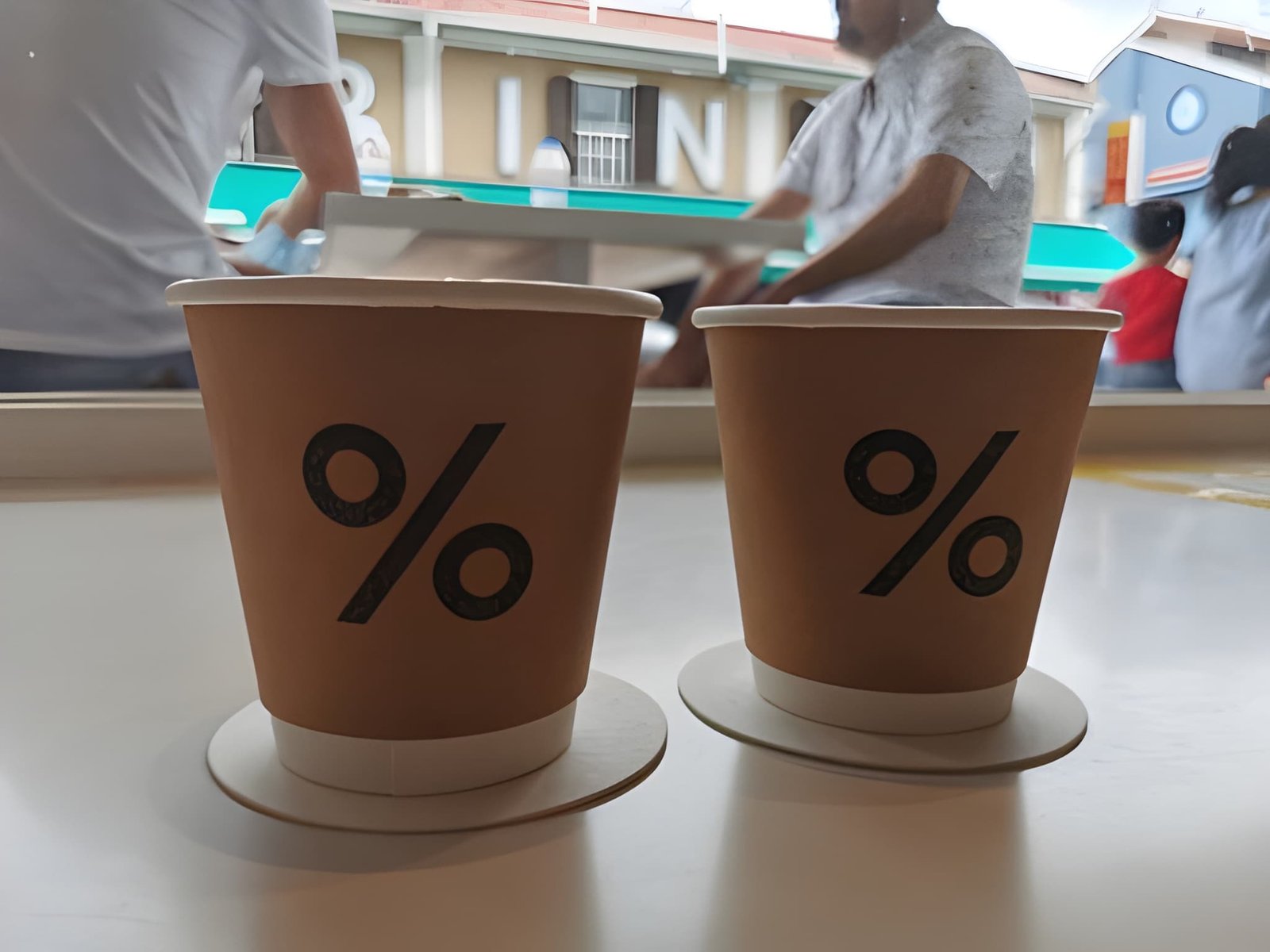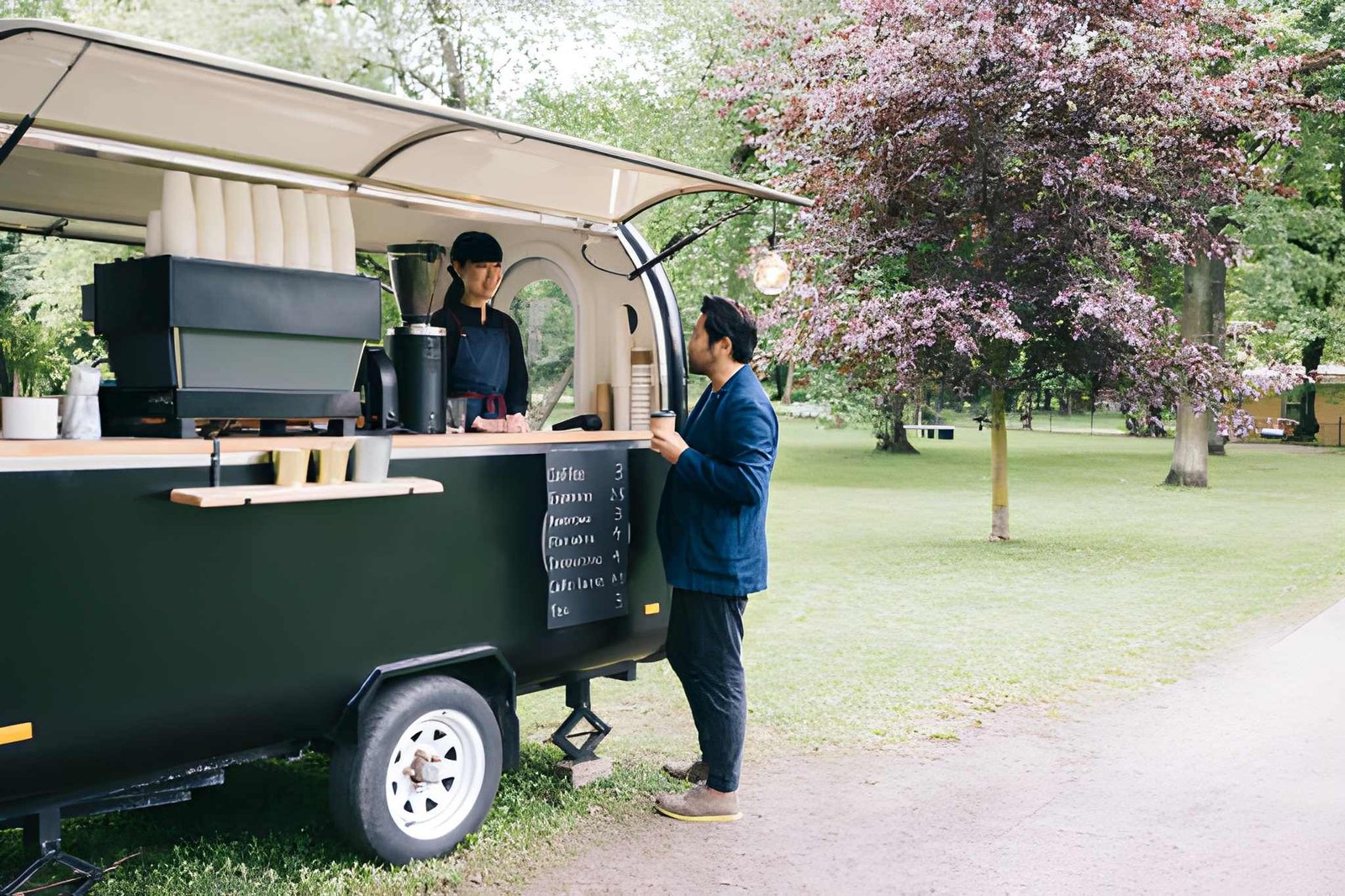
Coffee has long been more than just a beverage—it is part of workplace culture. In Singapore, the rise of the office barista is transforming how companies approach employee engagement, well-being, and productivity. From introducing specialty brews to creating dedicated coffee corners, organizations are rethinking what a cup of coffee means in the office.
Beyond simply fueling workers with caffeine, coffee is becoming a cultural anchor. Breaks around a barista-prepared cup encourage social connection, reduce stress, and add value to the workday. Many employees see these small moments of interaction as vital in strengthening workplace belonging. Companies in Singapore increasingly recognize that investing in a professional coffee service is an investment in their people and long-term productivity.
Beyond what’s shown in the table, the difference lies in the emotional connection employees form with their coffee experience. Traditional options often feel impersonal, while a barista service brings a human touch. This not only enhances the perceived value of coffee but also strengthens the emotional bond employees feel with their workplace. Companies benefit from a stronger internal culture and improved morale.

The Rise of the Office Barista in Singapore
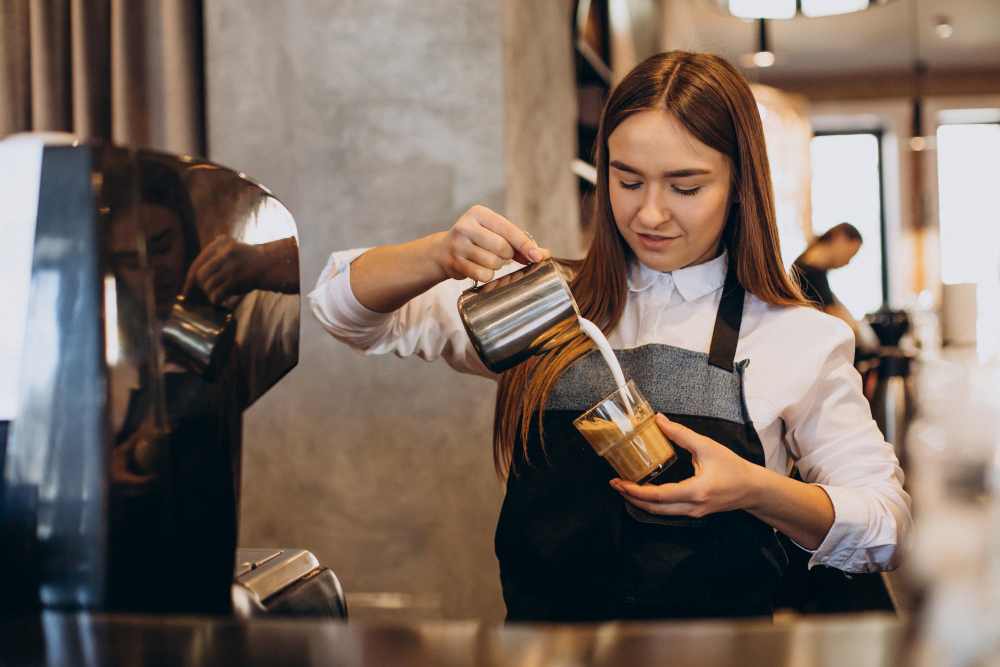
Workplaces in Singapore are increasingly investing in barista services as part of their employee perks strategy. Instead of relying solely on vending machines or pantry instant coffee, many companies now prefer to bring coffee barista Singapore professionals directly into the office. This trend is fueled by several factors:- Growing appreciation for specialty coffee
- Demand for personalized, high-quality beverages
- Rising expectations around workplace perks
- Desire for more human connection during breaks
Why Specialty Coffee Matters
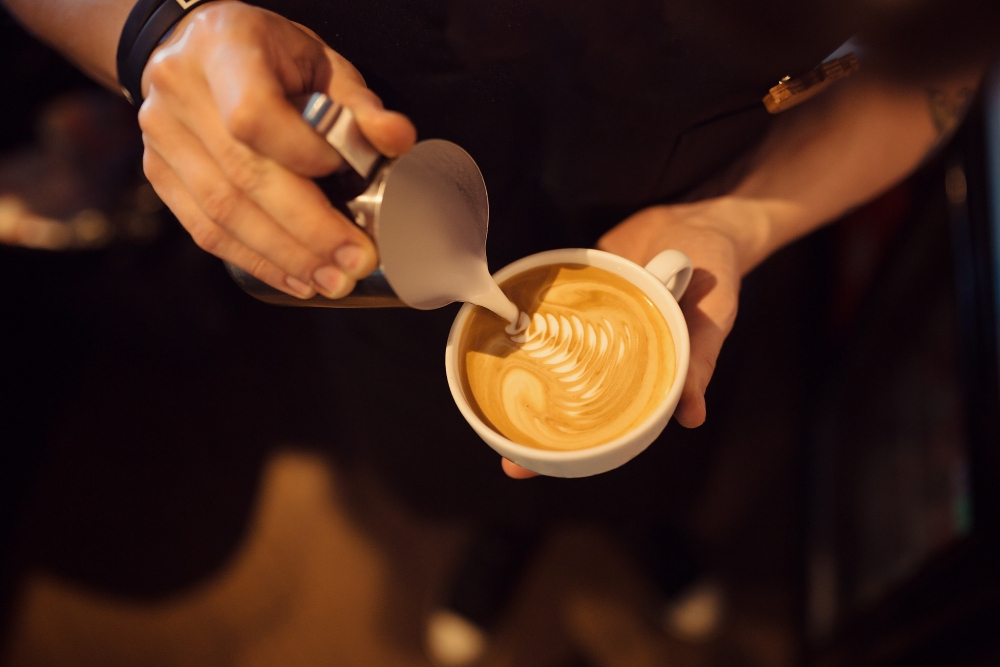
Singapore has a vibrant specialty coffee scene, and employees are more discerning about their coffee choices. By introducing an office barista, companies meet these expectations and demonstrate an understanding of modern workplace needs. Specialty coffee brings:- Quality: Freshly ground beans, precise brewing techniques, and latte artistry.
- Variety: Espresso, pour-over, cold brew, and dairy alternatives.
- Culture: Coffee as a ritual and conversation starter.
Coffee as a Social Connector
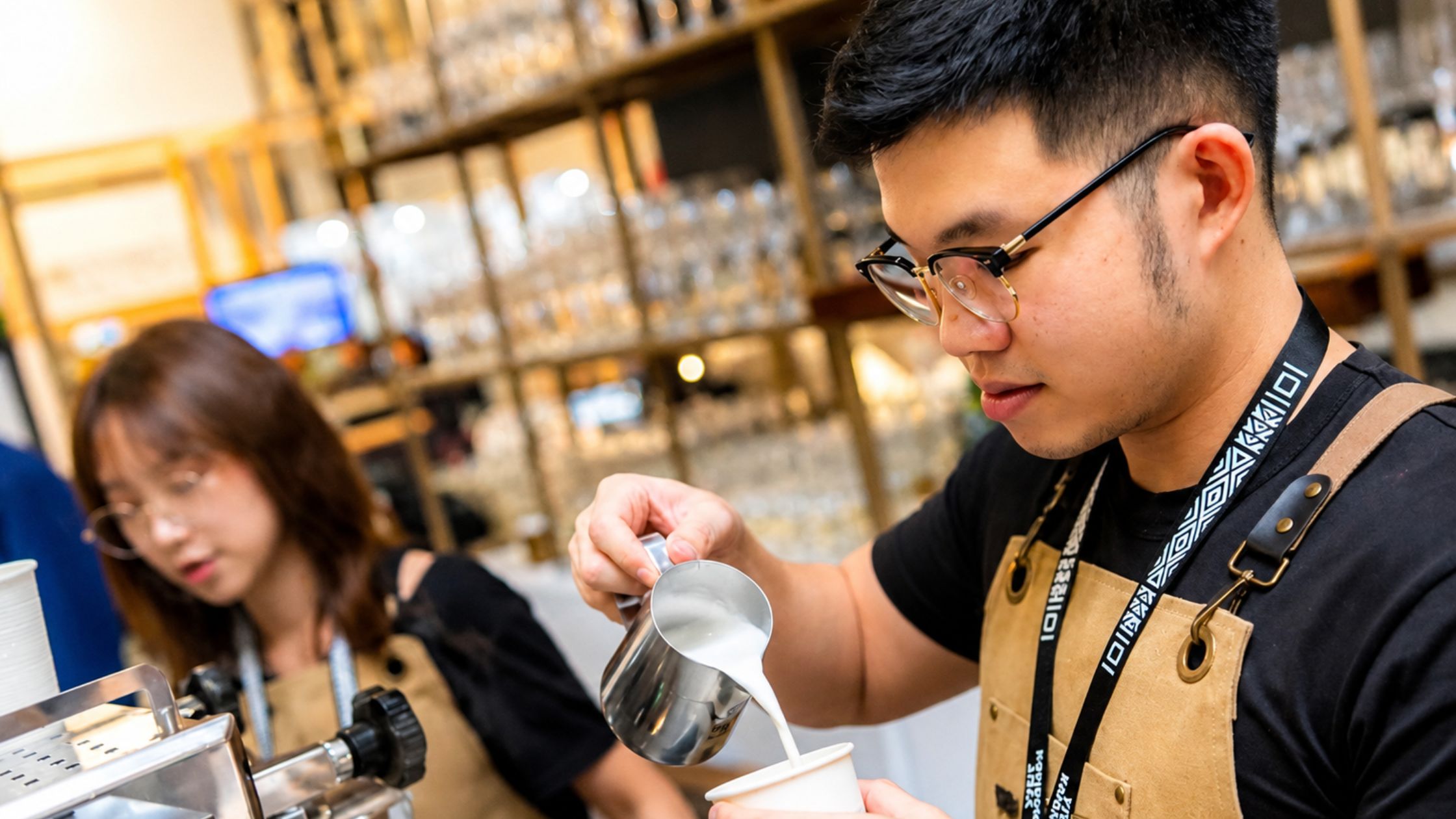
An office barista can also serve as a cultural bridge, encouraging employees to gather, share ideas, and network informally. These casual coffee moments often lead to greater collaboration and innovation. In many Singapore offices, the coffee barista acts as both a service provider and a facilitator of culture. When employees step away from their desks for a handcrafted beverage, it creates a neutral environment where hierarchy softens, and genuine dialogue occurs. These interactions are especially valuable in diverse workplaces where informal connections can strengthen team cohesion. Over time, the simple act of sharing coffee becomes a driver of better communication and trust within teams. Employee Perks and Retention: The Coffee Factor Employee perks have shifted beyond traditional benefits. Today, workers value experiences that support their lifestyle and well-being. Coffee services fall into this category, offering tangible daily benefits.How Office Baristas Contribute to Employee Retention
- Job Satisfaction: Quality coffee elevates the workplace experience.
- Wellness: Taking coffee breaks reduces stress and refreshes focus.
- Company Image: Offices with barista services stand out in competitive industries.
Comparison: Traditional Coffee vs Office Barista
| Aspect | Traditional Office Coffee | Office Barista Experience |
| Quality | Instant or capsule-based | Specialty coffee, freshly brewed |
| Variety | Limited | Wide range including lattes, cold brew |
| Employee Engagement | Minimal | High, social interaction encouraged |
| Workplace Perception | Functional | Modern, people-focused |
Office Barista as Part of Workplace Design
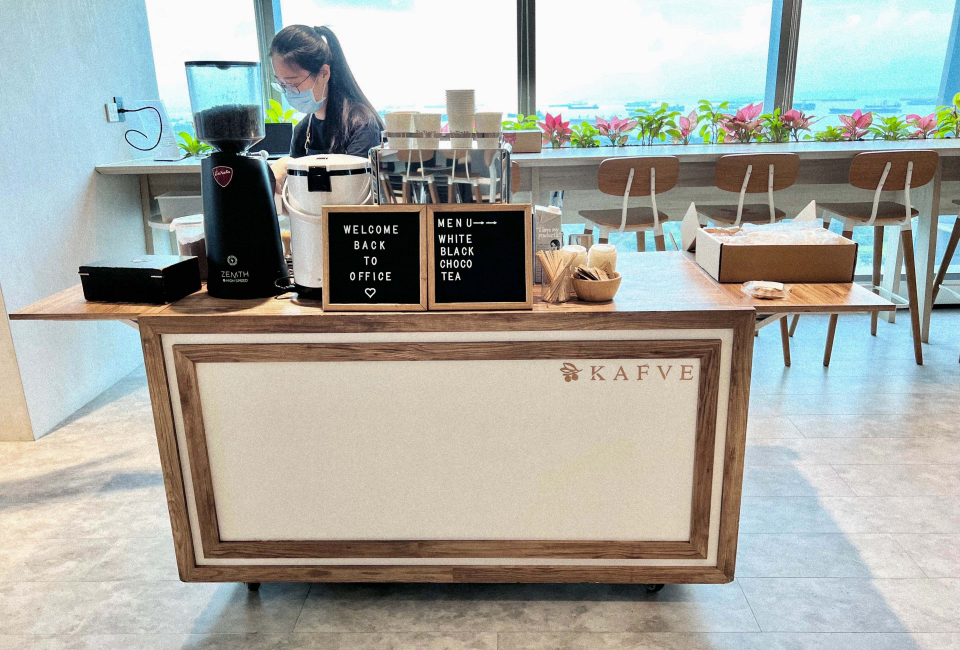
Modern office design increasingly integrates social spaces where employees can gather. Coffee corners staffed by a professional barista fit naturally into this trend. These spaces are not just about drinks but about fostering collaboration. When thoughtfully designed, these coffee areas serve as multifunctional hubs. They act as relaxation points, informal meeting areas, and creative brainstorming zones. Companies in Singapore are using office baristas as part of larger wellness strategies that prioritize employee interaction and comfort. As businesses shift toward hybrid models, the office itself must provide experiences people cannot replicate at home, and the coffee barista is a key part of that appeal. Employers see value in investing in workplace environments that encourage relaxation and informal discussions, which often lead to new ideas and stronger workplace bonds. By making the barista corner central to office culture, organizations create an atmosphere that blends hospitality with productivity. Sustainability and Conscious Consumption Another trend influencing the office barista movement in Singapore is sustainability. Employees want to know where their coffee comes from, and businesses are responding by sourcing responsibly. Key elements include:- Ethically Sourced Beans: Transparency about origins.
- Eco-Friendly Practices: Using reusable cups, reducing waste.
- Education: Baristas sharing knowledge about sustainable coffee.
Future of Office Barista Services in Singapore
As workplace expectations continue to evolve, the demand for baristas is likely to grow. Hybrid and flexible work arrangements may further highlight the need for in-office experience that cannot be replicated remotely. The future could see:- Digital integration with coffee ordering apps.
- Wellness-focused menus (matcha, teas, plant-based options).
- Expanded coffee corners as central parts of office culture.